


Simplifying Beginner Houseplant Care Techniques

Hey there, fellow plant lover! If you’ve ever felt a little overwhelmed by the idea of caring for houseplants, you’re not alone. I remember when I first started, I was staring at my new green friends wondering, “How do I keep these beauties alive and thriving?” Well, guess what? It’s not as complicated as it seems! Today, I’m going to share some simple, practical tips that will make your journey into houseplant care a breeze. Ready to dive in? Let’s go!
Easy Beginner Houseplant Care Techniques You’ll Love
Starting with houseplants can feel like learning a new language, but it’s really about tuning into what your plants need. Here are some beginner houseplant care techniques that will help you build confidence and keep your plants happy:
Choose the right plant for your space. Some plants love bright sunlight, while others prefer low light. For beginners, I recommend starting with forgiving plants like pothos, snake plants, or spider plants. They’re tough and adapt well to different conditions.
Water wisely. Overwatering is the number one mistake new plant parents make. Instead of sticking to a strict schedule, check the soil first. If the top inch feels dry, it’s time to water. If it’s still moist, hold off a bit.
Use proper pots with drainage holes. This helps prevent water from sitting at the bottom and causing root rot.
Feed your plants occasionally. A balanced, water-soluble fertilizer every 4-6 weeks during the growing season will keep your plants nourished.
Keep an eye on humidity. Most houseplants love a bit of moisture in the air. If your home is dry, especially in winter, try misting your plants or placing a small humidifier nearby.
These simple steps are the foundation of successful houseplant care. And if you want to explore more, check out this houseplant care for beginners guide that’s packed with helpful tips!

Watering Tips That Will Save Your Plants
Watering sounds easy, right? But it’s actually an art form! Too much water can drown your plants, and too little can leave them thirsty and droopy. Here’s how I learned to master watering:
Feel the soil. Stick your finger about an inch into the soil. If it’s dry, water. If it’s damp, wait a few days.
Water thoroughly. When you water, do it until you see water draining out of the bottom. This ensures the roots get enough moisture.
Empty excess water. Don’t let your plant sit in a saucer full of water. Dump it out to avoid root rot.
Adjust for seasons. Plants usually need less water in winter when they’re resting and more in spring and summer when they’re growing.
Remember, every plant is a little different, so it’s okay to experiment and see what works best for your green friends!
Are Coffee Grounds Good for Houseplants?
You might have heard that coffee grounds are a great natural fertilizer. But are they really good for houseplants? Let’s spill the beans!
Coffee grounds can be beneficial because they add organic material to the soil, improving drainage and aeration. They also contain nitrogen, which is great for leafy growth. However, there are a few things to keep in mind:
Use coffee grounds sparingly. Too much can make the soil too acidic for some plants.
Mix them into the soil or compost. Don’t just sprinkle them on top; mix well to avoid mold.
Avoid using coffee grounds for plants that prefer neutral or alkaline soil. For example, succulents and cacti don’t like acidic soil.
If you want to try it, start with a small amount and watch how your plants respond. It’s a fun, eco-friendly way to recycle your coffee waste!
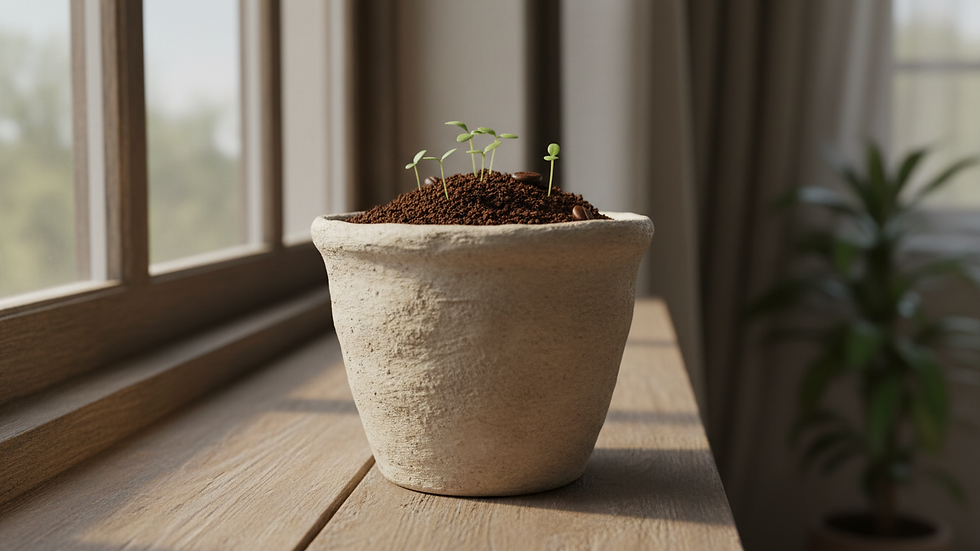
Lighting: The Secret Ingredient to Thriving Plants
Lighting can make or break your houseplant success. Plants need light to photosynthesize, which is how they make food and grow. But not all plants want the same kind of light!
Bright, indirect light: Perfect for most tropical plants like philodendrons and ferns. Place them near a window with filtered sunlight.
Low light: Snake plants and ZZ plants can handle darker corners.
Direct sunlight: Cacti and succulents love basking in direct sun for a few hours a day.
If you’re unsure about your home’s lighting, try moving your plant around and observe how it reacts. Leaves that turn yellow or brown might be getting too much sun, while slow growth or leaning toward the window could mean it needs more light.
Creating a Routine That Works for You and Your Plants
One of the best ways to keep your plants happy is to create a simple care routine. Here’s what I do, and it might help you too:
Weekly check-in: Spend 5-10 minutes once a week checking soil moisture, looking for pests, and wiping dust off leaves.
Monthly feeding: Use a gentle fertilizer during the growing season.
Rotate plants: Turn your plants every week or two so all sides get light evenly.
Repot when needed: If roots are growing out of the drainage holes or the plant looks crowded, it’s time to repot.
This routine keeps things manageable and helps you catch problems early. Plus, it’s a lovely way to connect with your plants and enjoy some mindful moments.
I hope these tips make your houseplant journey joyful and stress-free! Remember, every plant is a little adventure, and with a bit of love and attention, you’ll be amazed at how green your space can become. Happy planting!


Comments